

Protecting Coin and Bullion Buyers & Sellers
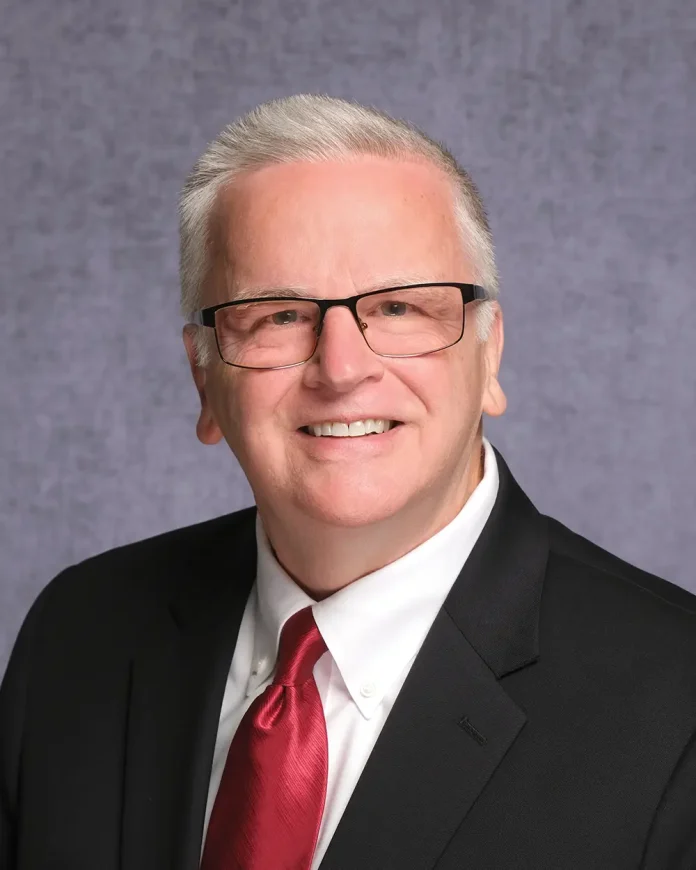
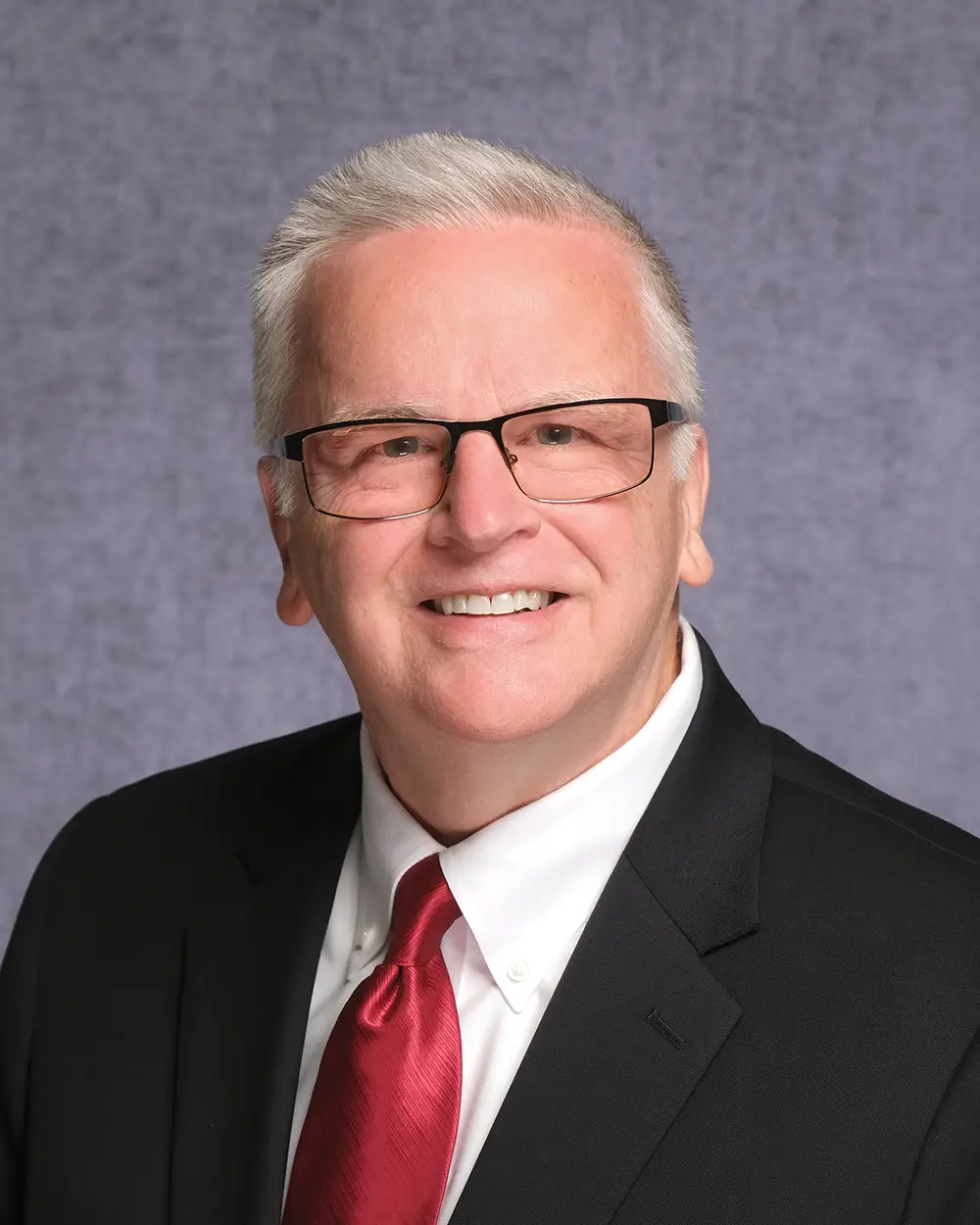
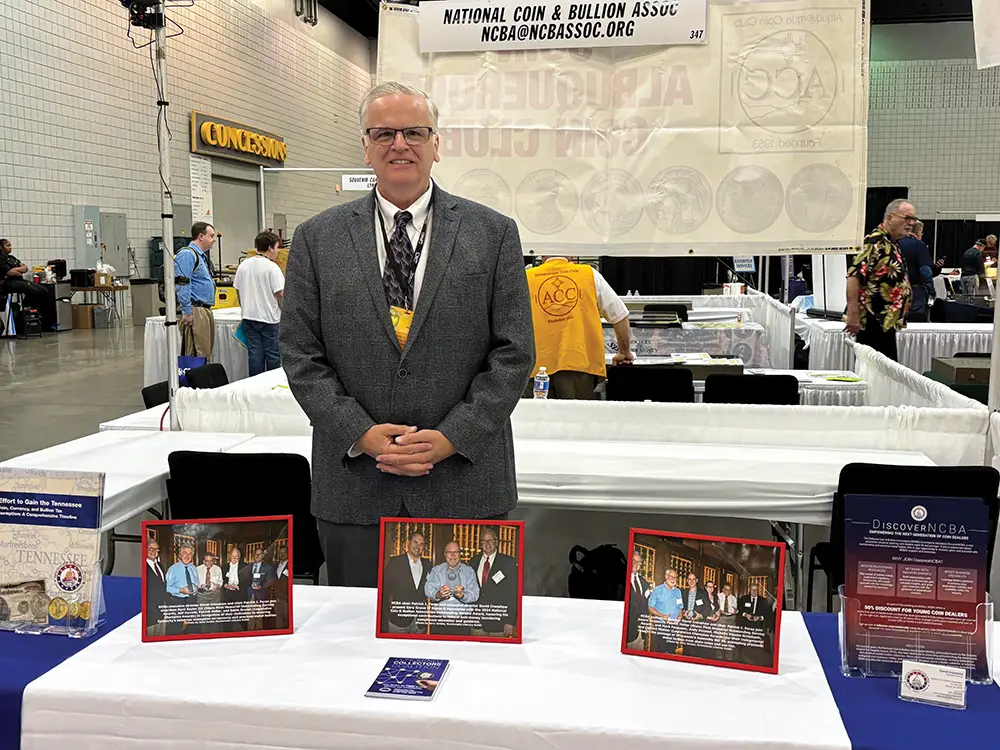
David Crenshaw, executive director of the National Coin & Bullion Association (NCBA), has been immersed in numismatics since discovering his first blue Whitman folder at age 10. A lifelong hobbyist turned advocate, Crenshaw has served the community as a dealer, club member and champion for collectors and businesses nationwide. Since joining NCBA in 2013, he has modernized its digital presence and led legislative efforts to secure tax exemptions and promote the hobby across the country. His leadership builds on years of industry experience, including his role managing major coin expos with Whitman, and has earned him numerous honors for his contributions to numismatics.
What does the National Coin & Bullion Association do?
At the National Coin & Bullion Association, or NCBA, our mission is to protect and promote the interests of the numismatic and precious metals bullion communities. We’ve been doing this work for over 40 years. As the industry’s watchdog, we focus heavily on maintaining a favorable legislative and regulatory environment—both at the federal level and within individual states.
We work closely with policymakers, providing them with the insight and expertise they need to make informed decisions that affect our members and the broader industry. We also serve as a central resource for our members, helping them navigate legal and regulatory changes, and giving them the tools they need to stay compliant and successful in a complex and often shifting environment.
Beyond advocacy, we also foster collaboration among our members. The association is a place where dealers, collectors, investors and others in the industry can come together to share knowledge, discuss challenges and support one another. Everything we do is aimed at advancing the welfare of the numismatic and bullion communities and ensuring that our industry continues to thrive.
Has your organization met with success in battling sales tax issues on behalf of the precious metals industry? Please tell us about a success or two.
Yes, we’ve seen some major wins recently, and I’m incredibly proud of what we’ve accomplished on behalf of our members and the broader numismatic and precious metals communities.
One standout success is what we achieved in Kentucky. In 2024, a sales-tax exemption on currency, coins and bullion was enacted, but the road to securing it permanently was anything but smooth. After an attempted veto by Kentucky Governor Andy Beshear, which the Kentucky attorney general ultimately ruled invalid, the governor still directed the Department of Revenue to collect taxes in violation of the exemption. That forced us to
go back to the legislature with House Bill 2 in early 2025 to formally reinforce the exemption.
Currently, 1099-B reporting guidance on a number of major precious metals dealer websites contain outdated information, including overreporting of items that are no longer reportable.”
Thanks to strong leadership from Representative T.J. Roberts and overwhelming bipartisan support, the bill passed both chambers with wide margins. The governor tried to veto it again, but this time the legislature overrode him. That was a major victory. Not only did we secure the exemption, but the new law also includes retroactive refunds for anyone who paid those taxes, plus interest, legal fees and damages. It even holds state officials personally accountable if they violate the law. That’s an incredibly powerful protection for dealers and collectors alike.
We couldn’t have done it without the tireless efforts of our Kentucky coalition leader Byrd Saylor III, of Louisville Numismatic Exchange, and others such as Jeff Garrett, Jonathan Kern, Eddie Bruner and Bradley Karoleff. Their leadership on the ground, along with our policy and legal support, made it possible.
Another huge win came in New Jersey. For years, we’ve been working to get a sales-tax exemption passed there, and in September 2024, Governor Phil Murphy signed Senate Bill S721 into law. It was the culmination of a long, careful effort, and it is officially effective as of January 1, 2025. The law exempts sales of investment metal bullion and certain coins from sales tax, provided the transaction meets a $1,000 minimum threshold.
The legislative journey was complex, involving several committee reviews and negotiations around the threshold amount. But in the end, the bill passed with unanimous support in both chambers—a real testament to the hard work and dedication of our coalition. Our industry issues advisor, Patrick Heller, and lobbyists Patrick Torpey and Dan Smith of 1868 Public Affairs played key roles, and I can’t overstate how critical their contributions were.
With New Jersey on board, we now have 46 states offering some form of sales-tax exemption on precious metals. That’s a huge milestone for our industry. These exemptions don’t just benefit collectors and investors, they also help small businesses grow and thrive in a more competitive, stable environment.
NCBA had an e-mail blast highlighting 1099-B reporting for bullion and a clarification discussion your organization had with the Internal Revenue Service about it. What was that about?
At the end of 2023, we opened a line of communication with the Internal Revenue Service to get some much-needed clarification on what exactly needs to be reported on IRS Form 1099-B when it comes to precious-metals transactions.
This initiative was led by Gary Knaus, one of our members and a long-time industry professional, along with our general counsel, Jimmy Hayes. They worked closely with the IRS Office of Chief Counsel to address some inconsistencies we noticed in how dealers were interpreting IRS Revenue Procedure 92-103, especially in regard to precious-metal coins and $1,000 face-value bags of 90% silver.
The crux of the issue was this: Under current Commodity Futures Trading Commission (CFTC) rules, regulated futures contracts for precious metals are tied to specific bar forms from approved brands, with strict purity standards. So, coins and those 90% silver bags aren’t actually deliverable under those futures contracts anymore, which means they should not be reported under 1099-B requirements.
The “$1,000 face-value bags of 90% silver” is specifically on the original “Items To Be Reported” list, along with specific gold coins such as Krugerrands, Maple Leaves and Mexican Onzas, which are no longer applicable to IRS Form 1099-B reporting.
Currently, 1099-B reporting guidance on a number of major precious-metals dealer websites contain outdated information, including overreporting of items that are no longer reportable. I anticipate that these discrepancies will be addressed in due course to ensure compliance efforts are aligned with current requirements.
After a series of exchanges—emails, meetings and detailed discussions—the IRS confirmed that interpretation. They agreed that, based on current CFTC-approved contract requirements, those items are no longer considered reportable. That clarification will be reflected in the upcoming IRS instructions for Form 1099-B.
That said, we’re keeping a close eye on things. If the CFTC changes its requirements in the future, that could shift what’s considered reportable again. But for now, it’s a big win for clarity and consistency.
Because of this update, we’ve withdrawn our old “Items To Be Reported” reference materials and temporarily pulled our Broker Reporting Information Kit. In their places, we prepared a new white paper that outlines which precious metals are currently subject to reporting—specifically focusing on the approved brands and formats accepted in the futures markets.
It’s important to us that our members stay compliant and that they aren’t overreporting or underreporting simply because of outdated or unclear information. This is a perfect example of why proactive engagement with regulatory agencies is such a critical part of what we do at NCBA.
How can a consumer join and support NCBA?
We absolutely welcome and encourage collectors to get involved with our work. If you’re a collector or an enthusiast—someone whose primary income doesn’t come from selling numismatic material—you can join us through our Concerned Collectors Coalition. Membership is completely free and it’s a great way to stand with the industry on important legislative and regulatory issues.
The ‘$1,000 face-value bags of 90% silver’ is specifically on the original ‘Items To Be Reported’ list, along with specific gold coins such as Krugerrands, Maple Leaves and Mexican Onzas, which are no longer applicable to IRS Form 1099-B reporting.”
As a Concerned Collectors Coalition member, you’ll receive a membership certificate and access to our quarterly digital newsletter, Member News, which keeps you updated on our latest advocacy efforts and what’s happening in the numismatic and precious-metals space. While this type of membership doesn’t come with voting rights, it does give you a meaningful way to support our mission.
One of the key things we ask during the sign-up process is for members to identify their federal and state legislators. That’s a critical part of how we operate. When we advocate for policy changes, it’s incredibly helpful to know which lawmakers represent our members. It allows our team and our lobbyists to strategically focus our efforts where they’ll have the
most impact—talking directly to legislators whose constituents care about these issues.
We also offer opportunities to go above and beyond. If you believe in the importance of a fair, competitive marketplace for coins and bullion—and you value the work we do—you can make a contribution to help fund our initiatives. Whether it’s $25, $50, $100 or more, every dollar helps us push forward, educate lawmakers and protect the future of our community.
It’s easy to feel like you don’t have a voice when it comes to government policy, but by joining the NCBA—even as a Concerned Collector—you really do become part of something bigger. Together, we have the strength to shape policy and preserve the market we all care about.